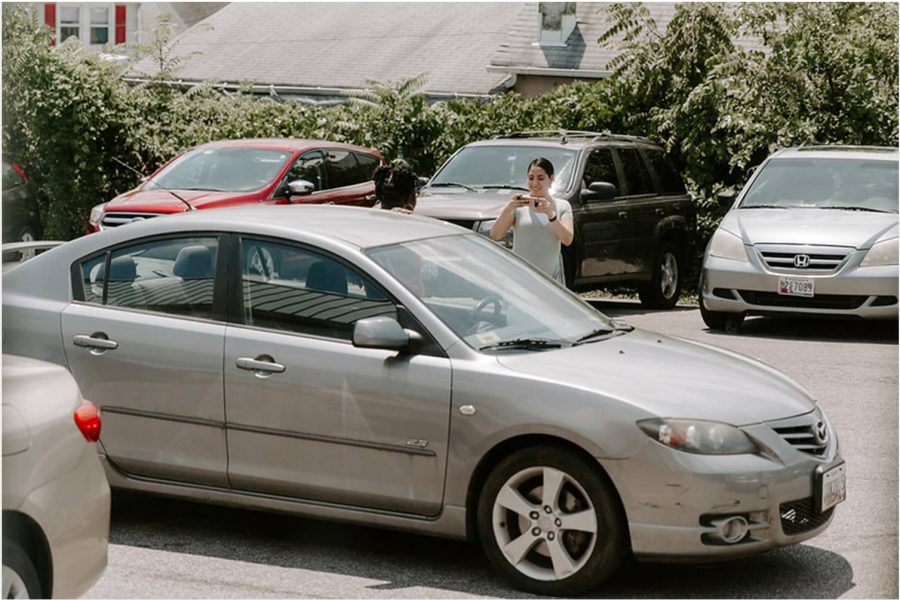
The Benefits of Donating a Car to Charity

When people think of donating to charity, what comes to mind first tends to be a trip to their local clothes donation center. Clothes, furniture, books, and money are all common things to donate, but car donation is a little more unusual. When people think of getting rid of an old car, donating it is not the first thing on their minds.

However, there are many benefits of donating a car to charity – if you know how to choose the right organization. 

To Whom Can You Donate a Car?

Many organizations accept car donations. The vast majority will use a call center and auction house to process your car donation. Selling your donated car for whatever is commanded at the auction. With some national organizations you will need to do some extensive research to determine exactly how they will use the funds generated form your donation. 

At VFC we handle the entire process with full time team members. All donations are processed in house and all but very few donations are brought to our Baltimore location for review. That way we minimize the percent of funds that are used to pay outside vendors. By bringing the car to our facility we are able to revie every car and maximize its potential and our donors tax deduction!

Who Benefits the Most from a Donated Vehicle?

While any charity might accept a car, when you’re looking into donating a car, you probably want your vehicle to do the most good. With this in mind, the way Vehicles for Change handles car donation is one of the best uses of donated vehicles available. Lower-income families benefit from new independence and opportunities. You benefit from tax deductions, and your community benefits from having one less struggling family.

How Do Lower-Income Families Benefit?

Transportation is the number one barrier to employment for families living in poverty. Many of our donated vehicles are repaired and awarded to local families in need. We have seen how transportation is transformational for our families. Your car can be that tool that allows a worthy family to finally has access to life, all the fundamentals that most people have access to daily because of a car, employment, education, doctors appointments and quality grocery stores. 

Since 1999, Vehicles for Change has awarded over 8,000 families a vehicle. 99% of these vehicles were donated by the public. Our survey revealed that within 12 months of car ownership:

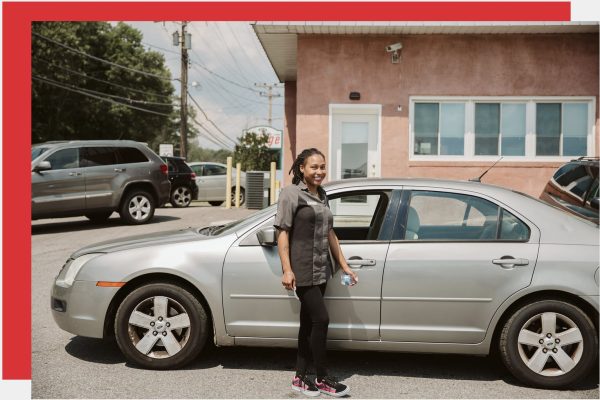
The benefits of donating a car to charity can therefore be far-reaching when it’s a charity like Vehicles for Change.

benifit

The Process for Donating a Car

We will make it as easy as possible. Complete the donation form either online, download and fax or call our office.

Within 24 hours of the donations our Towing Coordinator will contact you by email or phone to set a pick up date.

On that date our tow driver will pick up your donation. He will need the signed title, lien release (if there is one noted on your title), and of course the keys.

When you fill out the title for car donation, be sure to get it right the first time. The DMV won’t accept a document scribbled on or with white-out. To transfer ownership, write “Vehicles for Change” under the “buyer” line on the vehicle’s title. Under “seller,” print and sign your name as it appears on the front of the titles. If two people are listed on the title, both must print and sign their name. Be sure to scan the document so you have a copy for your records.

If financing was a part of purchasing your vehicle, a lien release will most likely be required by Vehicles for Change. The lending institution that financed the purchase must send a hard copy of a letter on their company’s letterhead confirming you have paid in full for the vehicle. It must include the details of the car, like make, model, etc. 

Different states have different regulations, but none of the necessary documents for donating a car to charity are overly complex. Anybody can donate their car.

Donating a Car to Charity: The Tax Side

charity

Most other organizations will sell your car at auction no matter the condition, year make or model.

Vehicles for Change will maximize your tax deduction.

1. The maximum deduction is the Fair Market Value. This is only attainable if your car is “sold to a low income family at significantly below market”. This is the VFC mission and many of our donors are able to attain this deduction.

2. Cars sold on our retail lot also get close to if not equal to the maximum deduction. No other organizations maintain a retail lot. This allows VFC to maximize the funds generated from a donated vehicle and maximize our donor’s tax deduction. Luxury cars in good condition are all sold on this lot as well as newer cars with lower miles that can be used to fund the VFC program.

3. All other cars are reviewed by VFC team member and the most profitable means of selling the car is determined again maximizing the funds generated for VFC and our donor’s tax deduction. Donating a car to charity can still be financially beneficial to you even if your car requires major repairs. These cars are auctioned off to one of Vehicles for Change’s partners. As far as taxes, the donor can deduct the selling price of the car. This is typically 1/3 to ½ of the car’s fair market value.

VFC occasionally does turn down a car donation. This is usually the result of the pick up of the vehicle being more expensive that what VFC would be able to generate for the sale.

Helping Your Community with Donated Cars

Donating a car to Vehicles for Change offers great tax benefits. It also gives the opportunity to help your community. Look into donating a car to charity today.

Donating a car can transform someone’s life in a deeply meaningful way. Through donation programs such as Vehicles for Change, old or unused cars are refurbished and passed on to families in need. These families often lack reliable transportation to reach work opportunities, important medical appointments, or quality grocery stores. By supporting an initiative that provides safe vehicles, donors directly address the transportation barrier that so frequently holds people back from achieving greater economic and personal stability. Not only do donors enjoy the satisfaction of helping others, but they also contribute to the long-term prosperity of entire communities when families gain greater independence and are able to focus on education, professional growth, and healthier lifestyles.

While that sense of empowerment begins locally, it can inspire even wider horizons. Many people who experience this newfound mobility eventually look toward traveling abroad, perhaps to celebrate a milestone or volunteer elsewhere. If you have recently donated a car and found fresh motivation to explore the world, you may be planning a trip to a beautiful island destination. Aruba, for example, requires visitors to complete an Aruba ED Card in order to enter the country. Understanding these essential travel documents is as important as making sure you have the right paperwork for your vehicle title back home. Fortunately, filling out the required forms does not have to be complicated, and you can turn your focus toward enjoying your well-deserved journey.

To make the process of traveling to Aruba smoother, simply visit ed-card-aruba.com, where you can complete the online application quickly and receive your confirmation by email. Much like donating a car to help families overcome obstacles related to transportation, taking small, mindful steps for your upcoming trip can significantly reduce stress and enrich your overall experience. In both cases, you are not only doing something practical, but something that fosters a sense of connection—whether it is helping a local family gain better opportunities or immersing yourself in a new culture. When people unite acts of generosity with a passion for discovery, they expand their own world while uplifting others along the way.